
Professional Services
Better systems start
before installation.
MAS provides the planning, design, coordination, programming, commissioning, and technical support required to turn technology requirements into systems that work in the real world.
Beyond Installation
Technology is only as good
as the decisions behind it.
Access control, electronic locking, networks, connected infrastructure, and building technology rarely exist independently. They intersect with architecture, doors and hardware, electrical systems, low-voltage pathways, networks, elevators, gates, software, operations, and the people who ultimately use the property.
MAS provides technical services across that process — helping owners, developers, contractors, design teams, and property operators move from requirements and drawings to a coordinated, programmed, commissioned, and supportable system.
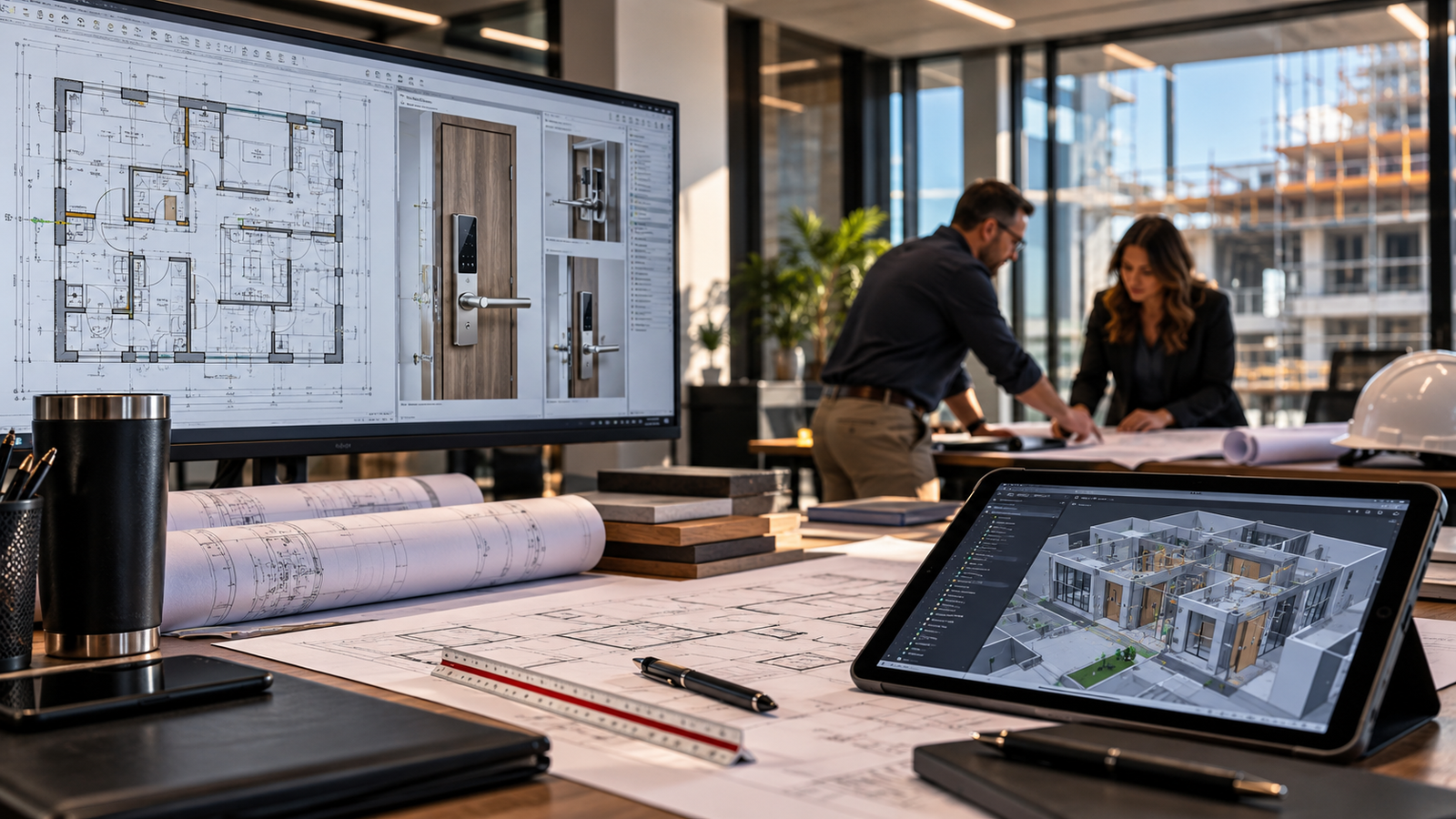
Technical Services
From concept through turnover.
And beyond.
MAS can support the technology lifecycle at the points where experience, coordination, and technical execution have the greatest impact on the finished system.
Planning & System Design
Translate operational requirements into practical technology strategies, system architecture, access concepts, infrastructure requirements, and project scope.
Site Surveys & Existing Conditions
Document existing openings, hardware, infrastructure, connectivity, system conditions, and field constraints before design, modernization, or corrective work begins.
BIM / VDC Coordination
Coordinate technology locations, pathways, openings, infrastructure, interfaces, and installation requirements within the broader construction model and project workflow.
Programming & Configuration
Configure supported systems, devices, doors, credentials, permissions, schedules, workflows, integrations, and operational parameters around the requirements of the property.
Commissioning & Verification
Verify that installed systems, controlled openings, credentials, communications, integrations, and operational workflows perform as intended before turnover.
Service & Technical Support
Diagnose system problems, address field conditions, support changes, and help existing technology remain useful as the property and its operational needs evolve.
Design & Coordination
Solve it on the plans.
Not in the field.
Technology problems discovered during installation are often coordination problems that began much earlier.
MAS can work with owners, architects, consultants, contractors, VDC teams, hardware suppliers, and technology partners to identify those requirements before they become expensive field conflicts.
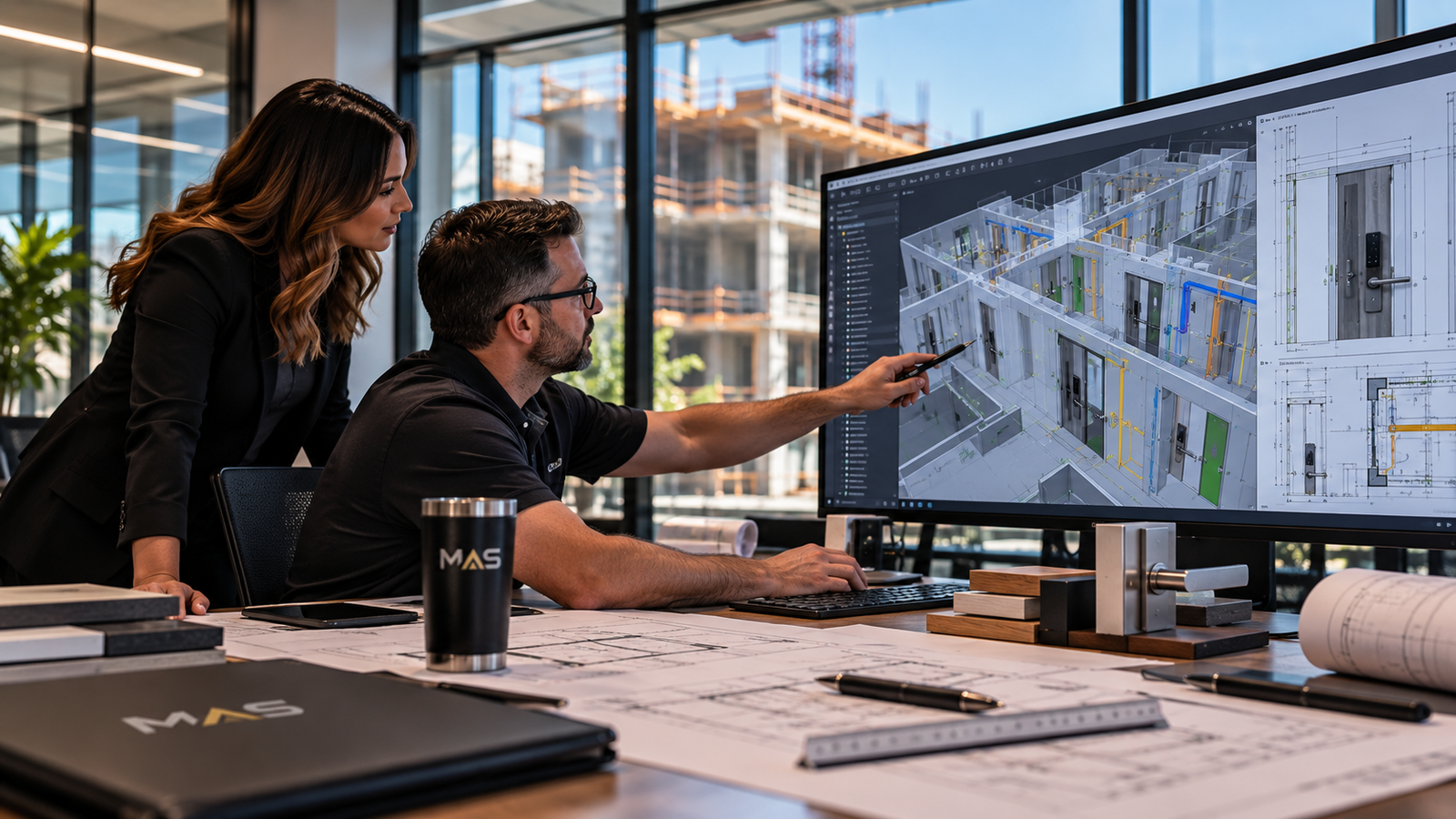
Opening Coordination
Review doors, frames, electronic hardware, locking requirements, power, pathways, and related conditions at controlled openings.
Infrastructure Planning
Identify cabling, network, power, pathway, controller, gateway, and supporting infrastructure requirements before installation begins.
System Architecture
Develop an approach for how devices, software, credentials, networks, controllers, gateways, and integrations fit together.
Trade Coordination
Help clarify the interfaces between access control, doors and hardware, electrical, low voltage, networking, elevators, gates, and other project participants.
Constructability Review
Consider how the specified technology will actually be installed, connected, programmed, serviced, and operated after construction.
Operational Planning
Design permissions, credentials, workflows, and management practices around the people who will actually operate the finished system.
Early coordination gives the project team an opportunity to resolve interfaces, infrastructure, opening conditions, and operational requirements while they are still decisions — not change orders.
Existing Systems
Sometimes the project
starts with a problem.
Not every engagement begins with new construction. Existing properties may be dealing with aging technology, incomplete documentation, unreliable devices, disconnected systems, unsupported hardware, or years of changes made without a broader plan.
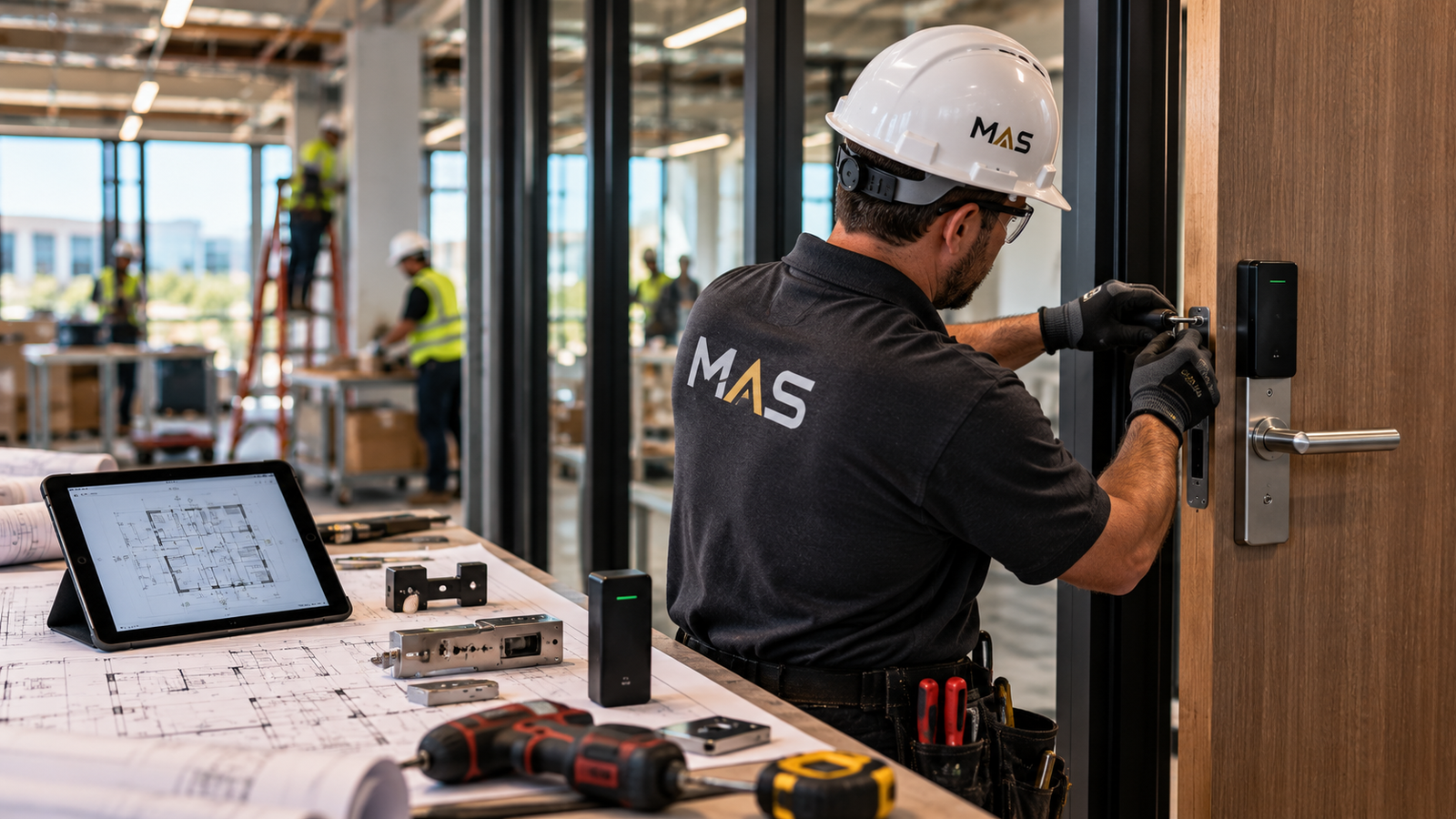
System Assessment
Evaluate existing hardware, software, infrastructure, connectivity, configuration, and field conditions to understand what is actually installed.
Troubleshooting
Work through hardware, communications, configuration, credential, and system behavior issues to identify the underlying problem rather than simply replacing parts.
Modernization Planning
Develop a practical path from aging or fragmented technology toward a more supportable system without assuming everything must be replaced at once.
Expansion & Changes
Support new openings, additional buildings, renovated spaces, operational changes, and other requirements that affect an existing system.
Configuration Review
Review supported system configuration, permissions, schedules, credentials, and workflows where the technology no longer reflects current operations.
Documentation
Help establish a clearer understanding of system components, locations, conditions, and technical requirements for future work.
A modernization strategy should account for what still works, what does not, what can remain, what needs to change, and where the property ultimately wants to go.
Project Lifecycle
From the first conversation
through system turnover.
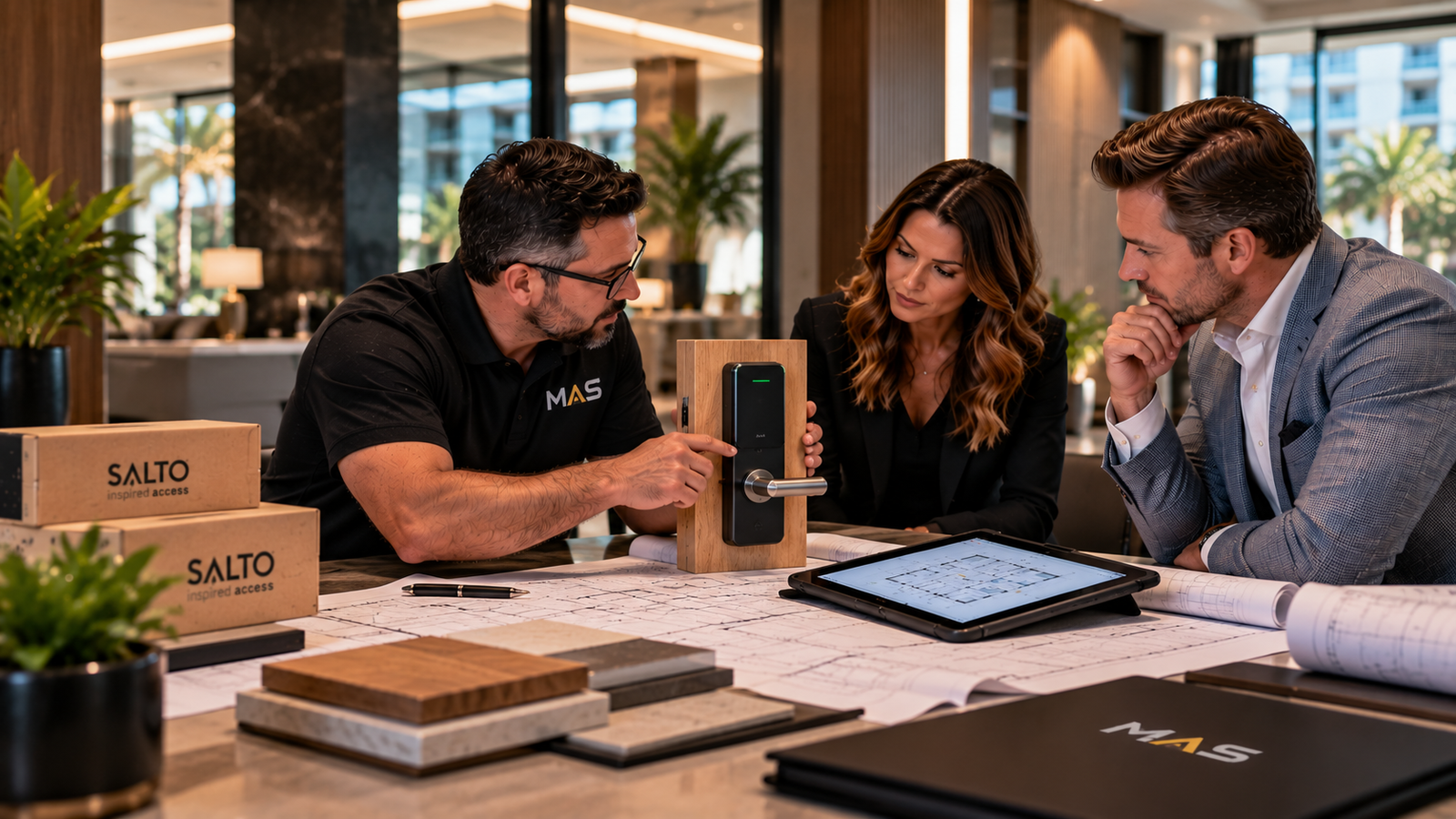
Good technology delivery is a process. Requirements need to become designs. Designs need to coordinate with the building. Installed systems need to be configured, tested, documented, and understood.
MAS can remain involved across those stages so the original intent does not disappear somewhere between the plans and the finished property.
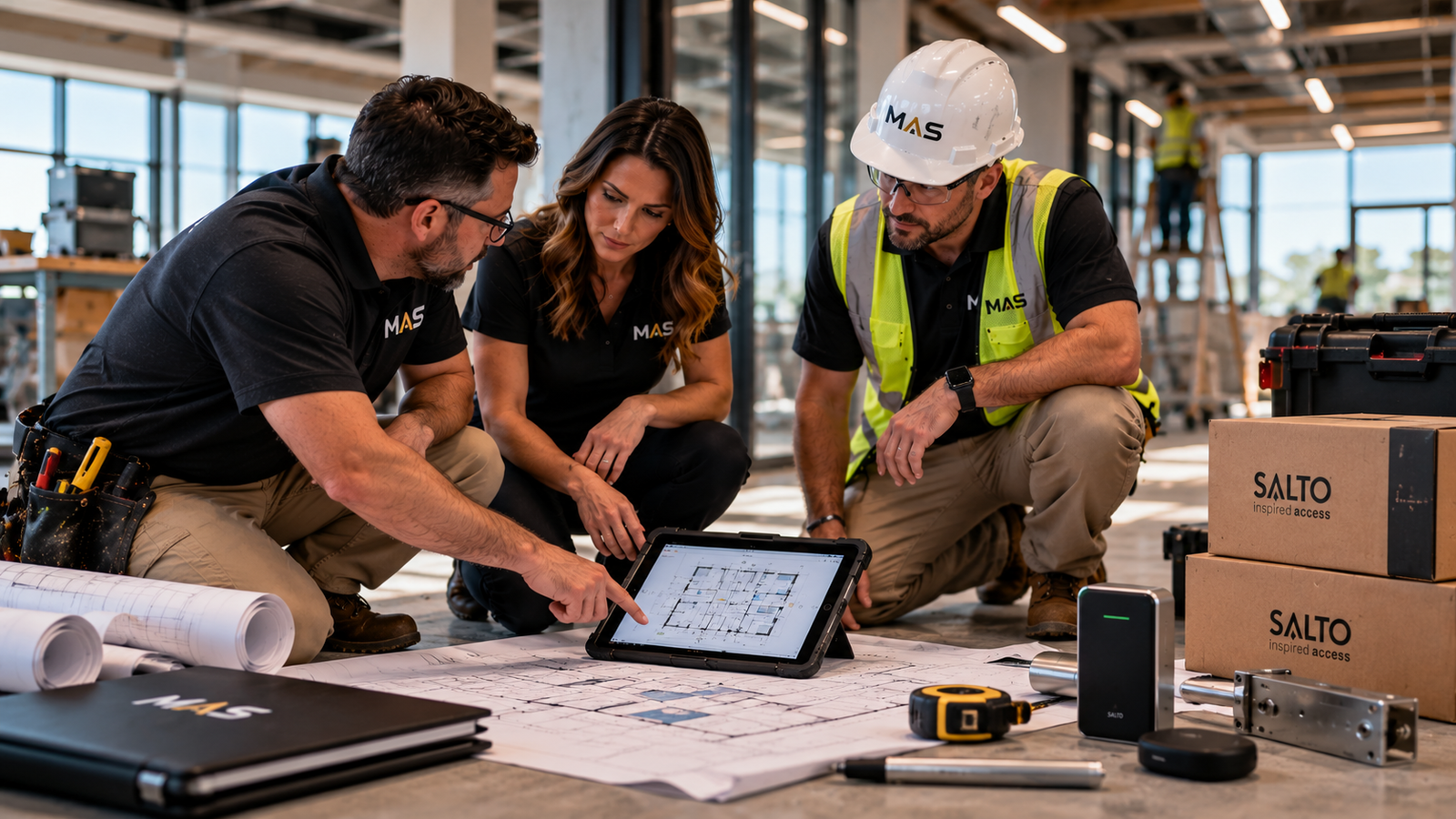
Discover
Understand the property, stakeholders, operational requirements, existing conditions, project goals, and constraints.
Design
Translate those requirements into system concepts, locations, architecture, infrastructure, credentials, and technical requirements.
Coordinate
Work through openings, hardware, pathways, power, networks, interfaces, trades, and installation conditions before they become field conflicts.
Configure
Program supported systems, doors, devices, credentials, permissions, schedules, and operational workflows around the property.
Commission
Test and verify system operation, communications, controlled openings, permissions, and supported integrations before turnover.
Support
Help the operating team understand what they received and provide technical support as requirements, spaces, and systems change.
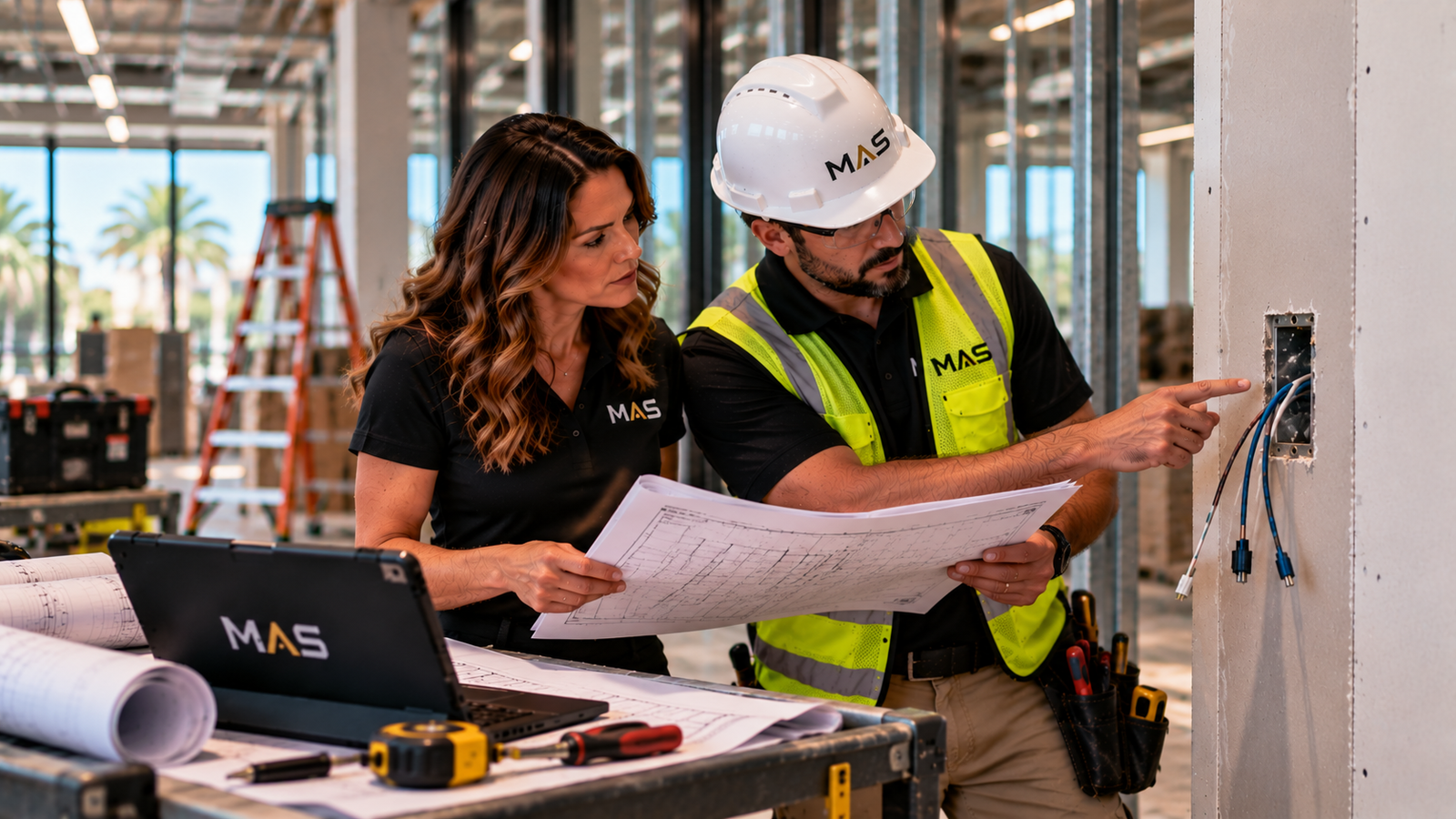
Maintaining technical continuity across design, coordination, programming, commissioning, and turnover helps protect the original intent of the project.
The MAS Approach
More than a contractor.
A technical partner.
MAS combines field experience with planning, coordination, programming, commissioning, and system knowledge to help bridge the gap between what gets designed, what gets installed, and what the property actually needs to operate.
Requirements · Existing Conditions
Strategy · Architecture · Scope
VDC · Openings · Infrastructure
Programming · Credentials · Workflows
Testing · Commissioning · Turnover
Service · Changes · Modernization
PLANNING A TECHNOLOGY PROJECT?